
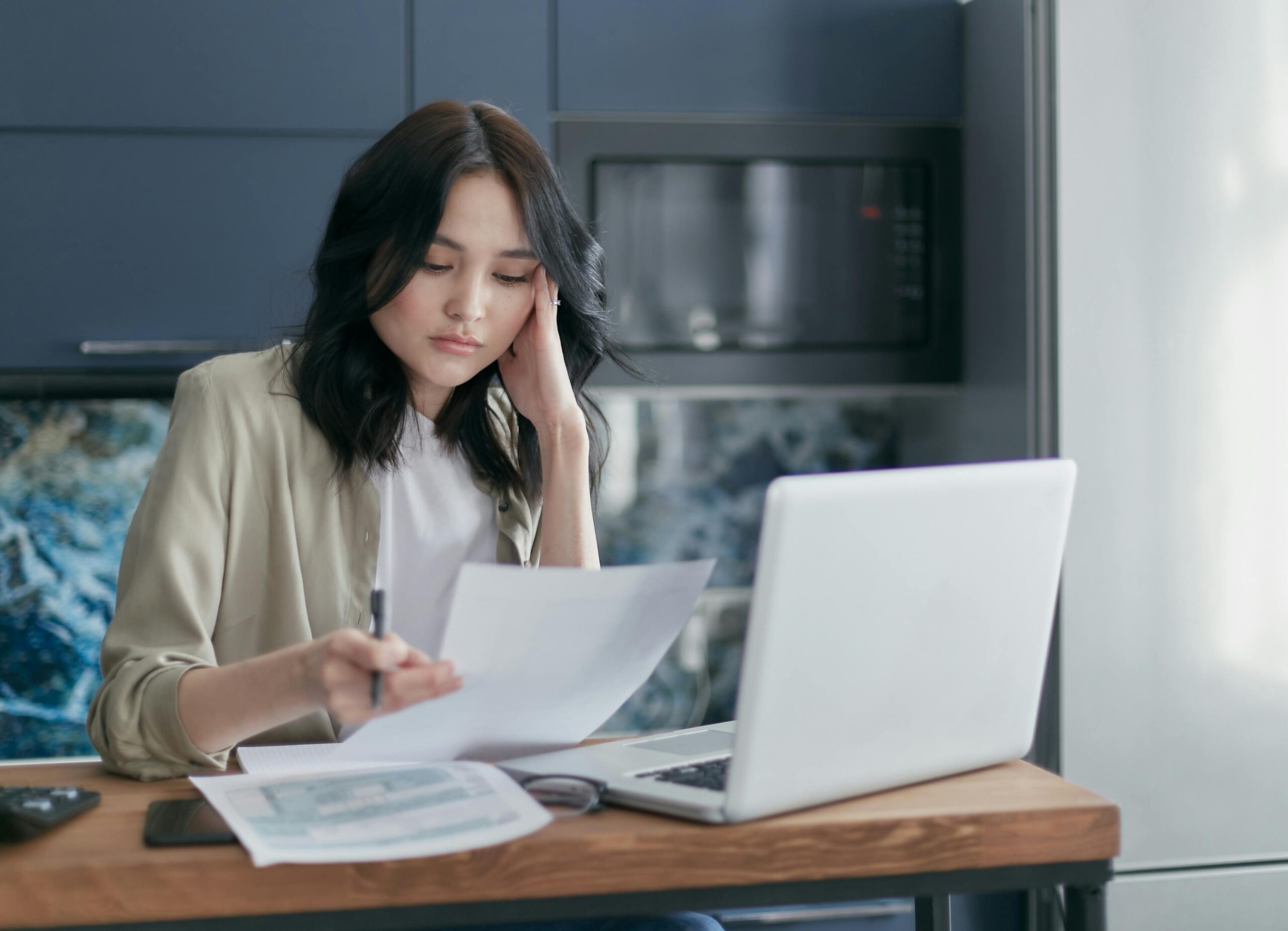
Working from home can be incredibly convenient, but it also brings with it some serious tax considerations. One of the biggest opportunities for employees and small business owners is the home office deduction, which allows you to claim certain expenses for using part of your home for business purposes. However, it is very easy to make mistakes when claiming these deductions, and even minor errors could attract the attention of the Australian Taxation Office (ATO) or cost you money. In this article, we will explore the most common home office deduction mistakes and how you can avoid them.
Misunderstanding Eligibility Requirements
The first major mistake is assuming that anyone who works from home automatically qualifies for home office deductions. In reality, the ATO has clear and strict rules. You must be using a designated area of your home exclusively for work, and your work must require you to operate from that space regularly. Casual or occasional use of your dining table or lounge room typically does not qualify.
For example, if you sometimes check emails from your kitchen bench, that space would not be considered a home office. Eligibility requires a consistent and dedicated workspace, whether it is a separate room or a clearly defined part of a room.
Overclaiming Expenses
Another frequent mistake is overclaiming deductions. Some taxpayers attempt to claim all household expenses, such as full internet bills, utility bills, or even mortgage repayments. However, the deduction must be proportional to the actual work-related use of the home.
For instance, if your home office accounts for 10% of your home’s floor area, you may only claim 10% of your running costs, such as electricity. Mortgage interest and rent, however, have different rules and are often not claimable unless very specific criteria are met.
Incorrectly Using Shortcut Methods
During COVID-19, the ATO introduced a shortcut method that allowed Australians to claim a flat rate per hour worked from home. While this method is simpler, it does not always yield the highest deduction. Some individuals continue to use the shortcut method without comparing it to the fixed-rate or actual-expense methods, potentially missing out on greater deductions.
Before you lodge your return, it is a smart idea to calculate your claim under different methods. As ABC News highlights, the best approach may depend on how much time you spent working from home and your specific expenses.
Failing to Keep Proper Records
Record-keeping is crucial for any deduction, and home office expenses are no exception. Commonly, taxpayers fail to retain sufficient evidence, such as:
- Timesheets or diaries to record work-from-home hours
- Receipts and bills for electricity, internet, and office equipment
- Detailed floor plans to substantiate the proportion of home used for work
The ATO requires written evidence, not just estimates or assumptions. Without proper documentation, your claim could be reduced or disallowed altogether during a tax audit.
Claiming Occupancy Costs Incorrectly
Occupancy costs include expenses such as rent, mortgage interest, council rates, and house insurance premiums. Generally, these costs can only be claimed if your home is your principal place of business, not just a place where you occasionally work.
Many employees mistakenly try to claim occupancy costs when they are not eligible. As Future Advisory explains, unless you can demonstrate that your home is used exclusively or almost exclusively for income-producing activities, these costs should not be included.
Moreover, claiming occupancy costs could also impact your capital gains tax (CGT) exemption when you eventually sell your home, so it is important to think carefully before proceeding.
Not Adjusting for Mixed-Use Areas
If you are using a part of your home for both private and work-related purposes, you must adjust your claim accordingly. A shared area, such as a study that is also used for watching TV or hobbies, cannot be fully claimed as a home office space.
It is important to calculate the percentage of business use honestly and fairly. Overestimating business use can expose you to penalties if the ATO audits your return.
Forgetting About Equipment Depreciation
Many people buy office equipment like computers, desks, or ergonomic chairs and immediately claim the full cost. However, the ATO requires that items costing over a certain threshold (currently $300) be depreciated over their effective life.
Forgetting to depreciate these assets properly can lead to overclaiming, triggering adjustments or penalties. You should calculate depreciation each year and only claim the proportion that relates to business use.
Using Outdated Rates and Methods
Tax rules around home office deductions change periodically. As Box Advisory Services points out, if you use an outdated rate, you risk underclaiming or overclaiming your deduction.
Always check the latest guidance from the ATO each year, particularly if you are lodging your tax return yourself without the assistance of a registered tax agent.
Ignoring Capital Gains Tax Implications
Claiming part of your home as a business premises can affect your eligibility for the main residence CGT exemption when you sell your property. If you have claimed occupancy expenses like mortgage interest or council rates, you may have to pay capital gains tax on part of the profit from the sale.
Many taxpayers are unaware of this consequence until it is too late. It is wise to consult a tax advisor if you are considering claiming occupancy costs.
Relying Solely on Tax Software
Although tax software can be very useful, it often cannot account for the nuances of your personal situation. Relying solely on tax software without understanding the underlying rules can lead to mistakes.
For complex deductions like home office expenses, a professional tax agent can help you navigate the rules and maximize your deduction without risking compliance issues. Yahoo Finance also emphasizes the importance of staying cautious and informed.
Conclusion
Home office deductions can significantly reduce your tax bill, but they come with traps for the unwary. Misunderstanding eligibility, overclaiming expenses, poor record-keeping, and failing to stay updated with ATO rules are some of the most common mistakes Australians make. To protect yourself and get the maximum benefit, take time to understand the rules, maintain detailed records, and when in doubt, seek professional advice. Being meticulous today can save you from costly problems tomorrow.

About The Author: Artur Osadchiy
Artur is a Certified Practising Accountant with over 30 years’ experience working as a trusted advisor to 600+ clients across Australia. Based in Melbourne, he started Tax Window with his wife Marina in 2009 and leads the firm’s tax and accounting team. In his free time, Artur enjoys watching the AFL (go Kangas!) and spending time with family.
Not sure where to start? Or already know what you need?
Book a meeting. Completely free, no preparation needed.
Talk through your situation with one of our senior accountants and get your questions answered. A quick, commitment free conversation, online or at our Bentleigh office.