
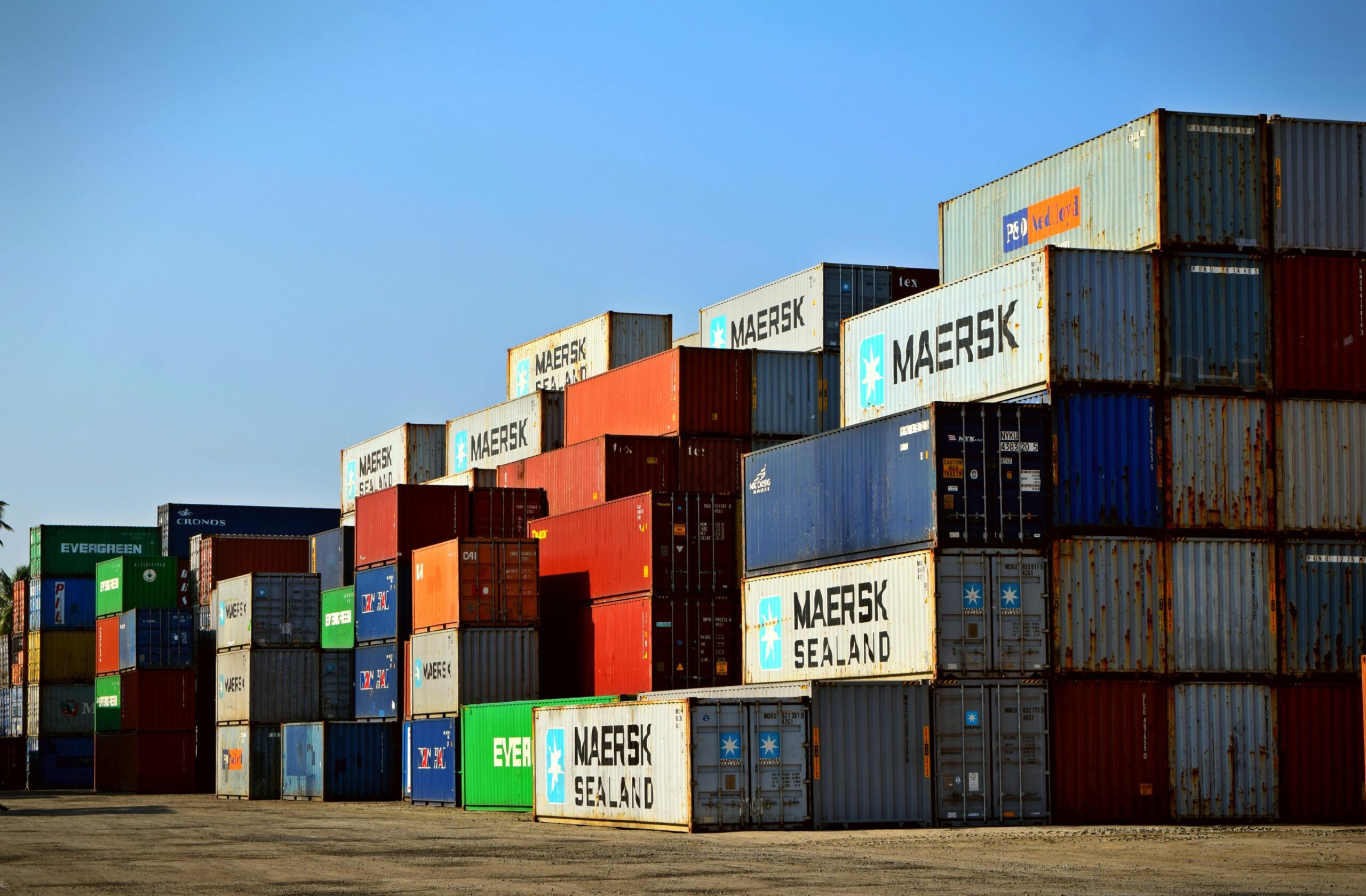
Understanding GST-Free Status for Exported Goods
When goods are exported from Australia, they may be eligible for a GST-free supply under specific conditions set by the Australian Taxation Office (ATO). This GST exemption exists to ensure Australian exporters remain competitive in international markets. However, to qualify for this status, businesses must meet strict timing, documentation, and destination-based requirements.
Exported goods are generally GST-free if they are physically exported from Australia within 60 days of one of the following:
- The supplier receives any payment for the goods.
- The supplier issues an invoice for the goods.
This 60-day rule ensures that only genuine export transactions benefit from the GST exemption.
Conditions for GST-Free Exported Goods
Timing Requirements
The timing of the export is one of the most critical factors. As mentioned, the goods must leave Australia within 60 days of either payment or invoicing. In some special cases, such as where the buyer is an overseas tourist or a migrant, the timeframe may extend to 90 days, but this depends on the type of export and applicable circumstances.
Evidence of Export
To prove that the goods were exported, businesses must retain documentary evidence, such as:
- Bill of lading
- Air waybill
- Export declaration
- Customs clearance documents
This evidence should clearly show that the goods physically left Australia, and the documentation must include dates and recipient details. Helpful guidance on documentation is available from the Export Council of Australia.
Overseas Destination
For the sale to be GST-free, the recipient of the goods must be located outside Australia. If the goods are delivered to a freight forwarder, customs agent, or consolidator in Australia, it is still possible to claim GST-free status if it is clearly documented that the goods are subsequently exported.
Special Cases of GST-Free Export
Exports Through Tourists and Migrants
Goods purchased by tourists or migrants can be GST-free if they are exported within 60 to 90 days. This often applies when the goods are packed and sealed and accompanied by relevant documents, including a valid passport and travel itinerary. These transactions often require additional evidence to show the goods were not used in Australia prior to export.
Repairs and Replacements Under Warranty
If a product is repaired or replaced under warranty and then exported, the replacement or repaired goods may also be GST-free. This ensures fairness to both consumers and businesses handling international warranty claims.
Goods Used in the Course of an International Flight or Voyage
Items that are sold for use on international flights or sea voyages, such as airline food or duty-free items, are generally treated as GST-free as well, provided the goods are delivered onboard or at an appropriate export point.
When Exports Are Not GST-Free
Goods Not Exported Within Timeframe
If the goods are not exported within the required timeframe (usually 60 days), the GST-free status no longer applies, and GST must be charged on the sale. It is essential that businesses monitor their shipping schedules and maintain compliance with the timelines.
Supplies for Use in Australia
If the goods are delivered for use within Australia before being exported, the transaction is not considered a GST-free export. For example, if a buyer takes possession of goods in Australia and then arranges separate export, the original supply is taxable.
Record-Keeping Obligations
Australian exporters must retain all supporting documents that demonstrate compliance with GST-free conditions for at least five years. This includes invoices, contracts, shipping documents, and correspondence with freight providers. Failure to do so may result in penalties or GST adjustments. Export businesses can find more guidance via Business.gov.au.
Common Mistakes and How to Avoid Them
Relying on Verbal Agreements
One of the most common errors is assuming that a verbal confirmation of export is sufficient. ATO requires documented proof, and verbal arrangements do not meet the threshold.
Exporting After the Deadline
Some businesses mistakenly assume that late shipments can still be GST-free if they eventually leave the country. However, if exports are not completed within the required timeframe, GST must be included.
Incomplete Export Documentation
Missing or insufficient export documents can lead to GST liabilities. Always ensure that documentation is complete, dated, and clearly identifies both the exporter and the overseas recipient. For more technical rulings, consult GSTR 2002/6.
Practical Example
Consider an Australian business that sells $10,000 worth of computer equipment to a company in New Zealand. The supplier invoices the buyer on April 1st and receives payment on April 5th. The goods must be exported by May 31st to qualify for GST-free treatment.
The business books freight with a shipping company and the goods are exported on May 20th. They retain the air waybill, customs export declaration, and payment receipt. Because the shipment occurred within 60 days and all documentation is available, the sale qualifies as GST-free under ATO rules.
Conclusion
Exporting goods can be a lucrative part of running a business in Australia, but ensuring compliance with GST-free rules is vital. From meeting timing requirements to retaining appropriate documentation, businesses must stay diligent. When properly executed, GST-free exports can provide a strong competitive edge and reduce the administrative burden of reclaiming GST through input tax credits.
For exporters, clarity, consistency, and compliance with the ATO’s GST-free requirements are the keys to taking full advantage of this tax benefit. Businesses may also explore opportunities under Australia’s Free Trade Agreements to enhance their competitiveness in overseas markets.
Found This While Googling GST Help?
Let's Get Your GST Sorted
Work directly with Artur, who leads our accounting team with over 30 years of experience. He’ll handle your GST registration, BAS preparation and ongoing compliance requirements.