
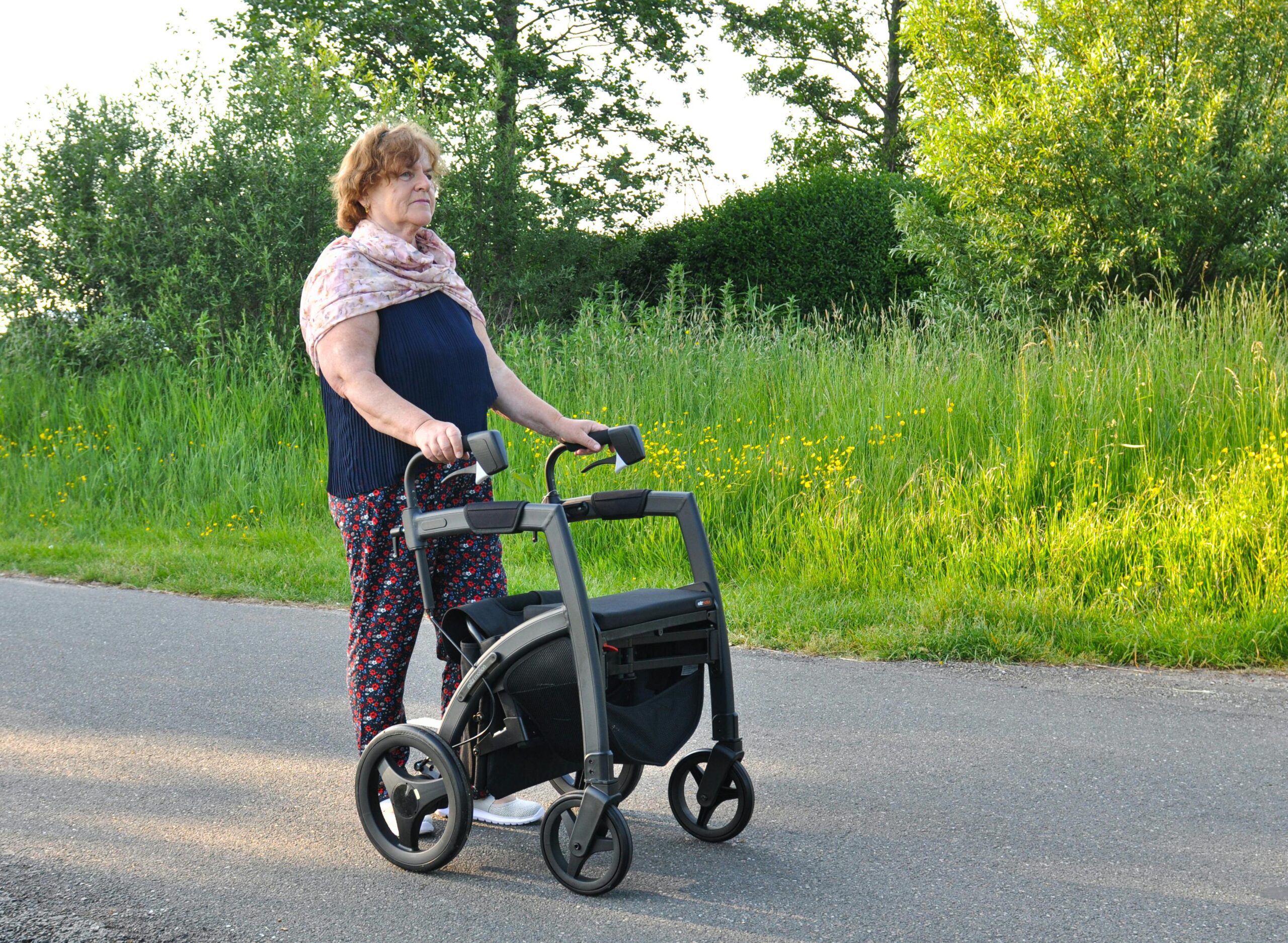
Understanding Medical Equipment and Disability Aid Deductions
In Australia, managing the cost of medical equipment and disability aids can be financially challenging. Fortunately, the Australian Taxation Office (ATO) offers certain deductions and offsets that can help ease this burden. Although direct deductions for medical expenses were phased out progressively after 2013, some avenues still remain open, especially for disability-related expenses and through the National Disability Insurance Scheme (NDIS). In this guide, we will explore how Australian taxpayers can still benefit financially when managing costs related to medical equipment and disability aids.
The Phase-Out of the Net Medical Expenses Tax Offset
Previously, Australians could claim a Net Medical Expenses Tax Offset for a broad range of medical costs, including medical equipment and aids. However, this offset has been phased out, with only a few transitional categories eligible until the end of the 2018–19 financial year. From 1 July 2019, there are no more claims allowed for general medical expenses unless they are linked to very specific conditions like disability aids or attendant care expenses.
This change makes it essential for taxpayers to know what alternative supports and deductions they can access.
Disability-Related Tax Deductions
While direct deductions for medical expenses are largely unavailable, disability-related expenses are still treated more favourably. Expenses incurred for managing a disability, including the purchase of specific aids, modifications, and support services, can sometimes be claimed as deductions under certain conditions.
For example, if you require specific medical equipment to assist with your work due to a disability, and the equipment is used directly for income-producing purposes, you may be able to claim depreciation on that equipment. Examples include specially modified vehicles, computer equipment with accessibility adaptations, or work-related mobility devices.
Work-Related Medical Equipment and Aids
If you purchase medical equipment or disability aids that are required for your job, they may be considered deductible work-related expenses. The Australian Taxation Office (ATO) allows deductions for items that:
- Are directly related to earning your income
- Are not reimbursed by your employer
- Are supported with appropriate documentation (receipts, invoices, usage logs)
Common deductible items include orthopaedic supports, hearing aids, ergonomic chairs prescribed by a medical practitioner, or specialised assistive technology used in your role.
Example
Suppose a taxpayer with a hearing impairment purchases a specialised hearing aid that they must use daily for their work as a customer service representative. Provided they can demonstrate that the hearing aid is essential to performing their work duties, a portion of the cost or the decline in value may be claimable.
Depreciation Deductions for High-Cost Items
If the medical equipment or disability aid costs more than $300, it typically cannot be claimed outright in the year of purchase. Instead, it must be depreciated over its effective life.
Depreciation allows taxpayers to spread the deduction over several years. The ATO provides guidelines on effective life estimates for various assets, or you can self-assess depending on the actual expected usage period.
Fast-tracking small business asset write-offs under the Temporary Full Expensing rules (available to eligible businesses) can also apply to accessibility-related equipment used for business purposes.
National Disability Insurance Scheme (NDIS) and Tax Implications
Participants in the National Disability Insurance Scheme (NDIS) should be aware that supports funded through the NDIS are not claimable as tax deductions because they are government-subsidised. However, if you personally fund additional or non-covered supports for medical equipment or aids that directly relate to earning an income, those out-of-pocket costs might still be deductible.
Moreover, self-employed NDIS participants running a small business may claim certain modifications to their workplace under regular business deductions if they can demonstrate the business necessity.
Home Modifications and Accessibility Adjustments
Accessibility modifications, such as wheelchair ramps, stairlifts, widened doorways, or adapted bathroom facilities, are often significant expenses for individuals with disabilities. Although general home improvements are not tax-deductible, there may be circumstances where such modifications are deductible if:
- The area modified is used exclusively for work purposes (e.g., a home office)
- The expense improves accessibility, allowing the individual to earn an income
It is crucial to obtain appropriate documentation, including medical recommendations and receipts, to substantiate any claims.
Claiming Expenses Through Other Tax Offsets and Rebates
Although the broad Net Medical Expenses Offset has ended, certain Australians may be eligible for other assistance, such as:
- Carer Allowance (through Services Australia)
- Disability Support Pension
- Mobility Allowance
While these are social security payments rather than tax offsets, they can reduce overall financial burdens associated with medical equipment and aids.
Additionally, self-funded retirees with significant medical expenses may qualify for the Seniors and Pensioners Tax Offset (SAPTO), depending on their income level.
Advocacy groups such as the Australian Human Rights Commission and the Disability Advocacy Network Australia (DANA) also provide useful resources and support for those managing disabilities in Australia.
Key Documentation Requirements
When claiming any deductions related to medical equipment and disability aids, proper documentation is vital. The ATO requires that you keep:
- Receipts or invoices clearly showing purchase details
- Medical certificates or prescriptions if the equipment was recommended for a disability or medical condition
- Usage logs or diaries (particularly if an item has both personal and business uses)
- Depreciation schedules if the item is claimed over several years
Keeping clear and complete records ensures that, in case of an ATO audit, you can substantiate your claims.
Common Mistakes to Avoid
- Claiming NDIS-funded expenses: As noted, these are not tax-deductible if covered by the NDIS.
- Not apportioning personal and work use: If an item is used partly for private purposes, you must adjust your claim proportionally.
- Assuming all medical devices are deductible: Only devices directly related to earning income or necessitated by disability and used for work are deductible.
Understanding the correct application of these rules can prevent costly mistakes and penalties.
Final Thoughts
Although the tax treatment of medical equipment and disability aids has changed significantly in Australia over the past decade, opportunities still exist to reduce your taxable income by claiming legitimate expenses. By focusing on work-related uses, maintaining strong documentation, and seeking professional advice when needed, you can make sure you are maximising every deduction available to you.
If you have substantial medical equipment costs or complex situations, it is advisable to consult with a registered tax agent who is familiar with disability-related deductions to ensure you receive all the benefits you are entitled to.
Want To Get More Back On Your Tax?
Claim Every Credit And Deduction You Deserve
Work directly with Artur, who leads our tax team with over 30 years of experience helping clients across Australia. Get started with a complimentary online meet and greet session.