
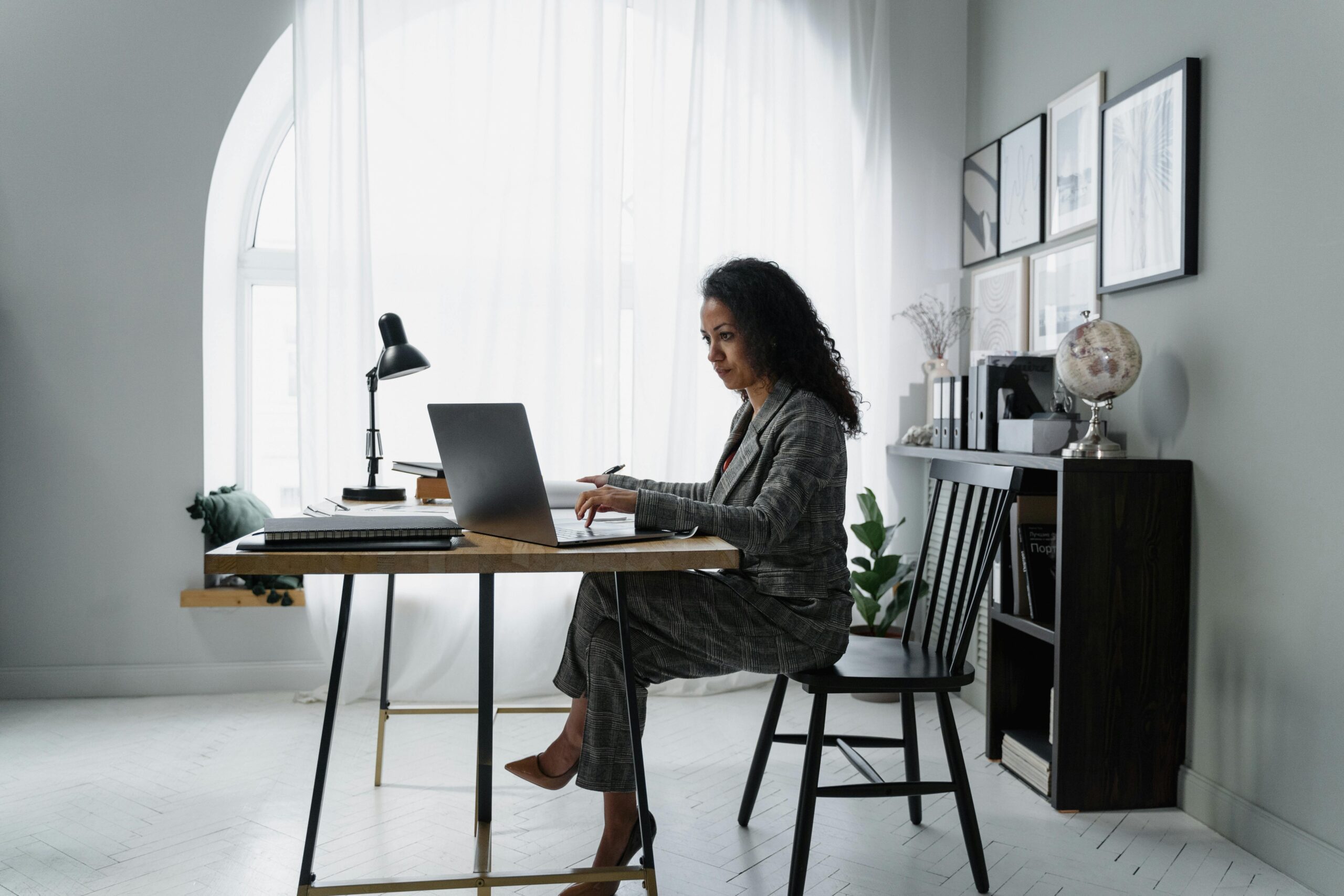
Understanding Running Expenses for Home Workspaces
If you work from home, whether full-time, part-time or occasionally, you may be eligible to claim certain running expenses as tax deductions. These expenses relate to the ongoing costs of using your home for work purposes, and understanding what you can claim is crucial to maximising your tax return without risking compliance issues.
The Australian Taxation Office (ATO) outlines specific conditions under which taxpayers can claim home workspace running expenses. It’s important to distinguish these from occupancy expenses like rent or mortgage interest, which have separate eligibility rules and generally stricter requirements.
What Qualifies as Running Expenses?
Running expenses refer to the costs associated with the day-to-day operation of your home office. According to ATO guidelines, typical running expenses include:
- Heating, cooling, and lighting
- Cleaning costs for the dedicated workspace
- Decline in value (depreciation) of office furniture and equipment
- Costs of repairing home office furniture and fittings
- Certain electronic expenses, like internet and phone bills
These expenses must be directly linked to your work activities. Merely using your laptop on the kitchen table, for example, is not enough to claim all household costs proportionally.
Methods for Calculating Your Deduction
There are several methods for calculating running expenses for your home workspace. Choosing the right method is critical for maximising your tax benefits:
1. Fixed Rate Method
Under the fixed rate method, you can claim a set amount per hour that you work from home. As of 2024, the fixed rate is 67 cents per hour, covering electricity, gas, internet, mobile and home phone use, and stationery.
You must keep a record of actual hours worked or a representative diary for a minimum of four weeks to estimate your usage accurately. This method simplifies your claim but may not always maximise deductions if your actual expenses are higher.
2. Actual Cost Method
The actual cost method involves tracking all relevant running expenses and working out the work-related proportion. This method can provide a larger deduction, especially if you have high utility or equipment costs.
You must maintain detailed records of:
- Utility bills
- Internet and phone bills
- Cleaning expenses
- Depreciation schedules for equipment
The actual cost method requires more thorough documentation but could lead to significantly higher deductions if done correctly.
3. Shortcut Method (Available Temporarily)
During the COVID-19 pandemic, the ATO introduced a shortcut method allowing a claim of 80 cents per hour for all home running expenses. However, this method was only available for specific financial years and is no longer generally applicable.
Key Requirements to Claim Running Expenses
Not every individual working from home can automatically claim running expenses. You must meet certain criteria, including:
- You must be working from home to fulfil your employment duties, not just carrying out minimal tasks like checking emails.
- You must incur additional expenses as a result of working from home.
- You must keep accurate records, such as timesheets, diary entries, or invoices.
If your employer provides facilities at the workplace and you choose to work from home voluntarily, you might be limited in what you can claim.
Special Considerations for Different Types of Workers
Employees
Employees working from home due to employer requirements can typically claim running expenses, but not occupancy expenses. Employers may sometimes provide allowances, which must be factored into your claims.
Small Business Owners
Self-employed individuals operating a business from home can claim a wider range of expenses, including some occupancy costs. However, they also face stricter documentation requirements and may trigger capital gains tax (CGT) implications when selling their property.
Hybrid Workers
Workers who split their time between the office and home must proportionally claim only the hours actually worked at home. It’s essential to keep precise records to avoid overclaiming.
Examples of How Running Expenses Claims Work
Example 1: Employee Using the Fixed Rate Method
Sarah is an employee who works from home three days a week, 8 hours each day. Over a typical 48-week year:
- 3 days x 8 hours = 24 hours per week
- 24 hours x 48 weeks = 1,152 hours
- 1,152 hours x $0.67 = $772.34 deduction for running expenses
Example 2: Small Business Owner Using the Actual Cost Method
John operates a graphic design business from a dedicated room in his house, which accounts for 10% of his home’s floor area. His yearly expenses include:
- Electricity: $2,000
- Internet: $1,200
- Cleaning: $500
Work-related portion:
- Electricity: $200 (10% of $2,000)
- Internet: $1,200 (100% business use)
- Cleaning: $50 (10% of $500)
Total deductible running expenses = $1,450
Record-Keeping Tips to Support Your Claim
To ensure your claim stands up to ATO scrutiny, adopt good record-keeping habits:
- Timesheets and diaries: Maintain accurate logs of your working hours.
- Bills and receipts: Keep copies of all relevant invoices, bills, and bank statements.
- Work space details: Document the size and usage of your home office.
- Depreciation schedules: For furniture and equipment, calculate and record depreciation.
The ATO can request evidence for up to five years after you lodge your tax return, so careful documentation is essential.
Mistakes to Avoid When Claiming Running Expenses
Many taxpayers inadvertently make errors that can trigger audits or penalties. Common mistakes include:
- Overestimating working hours without proper records
- Claiming personal use portions as work expenses
- Claiming occupancy costs without meeting the strict criteria
- Using the shortcut method when it’s no longer applicable
Ensure you fully understand the rules or consult a registered tax agent if unsure.
Final Thoughts
Working from home offers flexibility and convenience, but it also comes with responsibilities when it comes to tax time. Knowing what running expenses you can claim, choosing the right calculation method, and maintaining diligent records can make a big difference in maximising your deductions while remaining fully compliant.
For practical strategies to claim deductions, H&R Block’s home office deduction guide offers valuable insights. Additionally, be aware of recent updates such as the fixed rate increase to 70 cents starting from July 2024.
Always stay updated with ATO changes and consider seeking professional advice to ensure you’re optimising your work-from-home tax benefits.
Want To Get More Back On Your Tax?
Claim Every Credit And Deduction You Deserve
Work directly with Artur, who leads our tax team with over 30 years of experience helping clients across Australia. Get started with a complimentary online meet and greet session.