
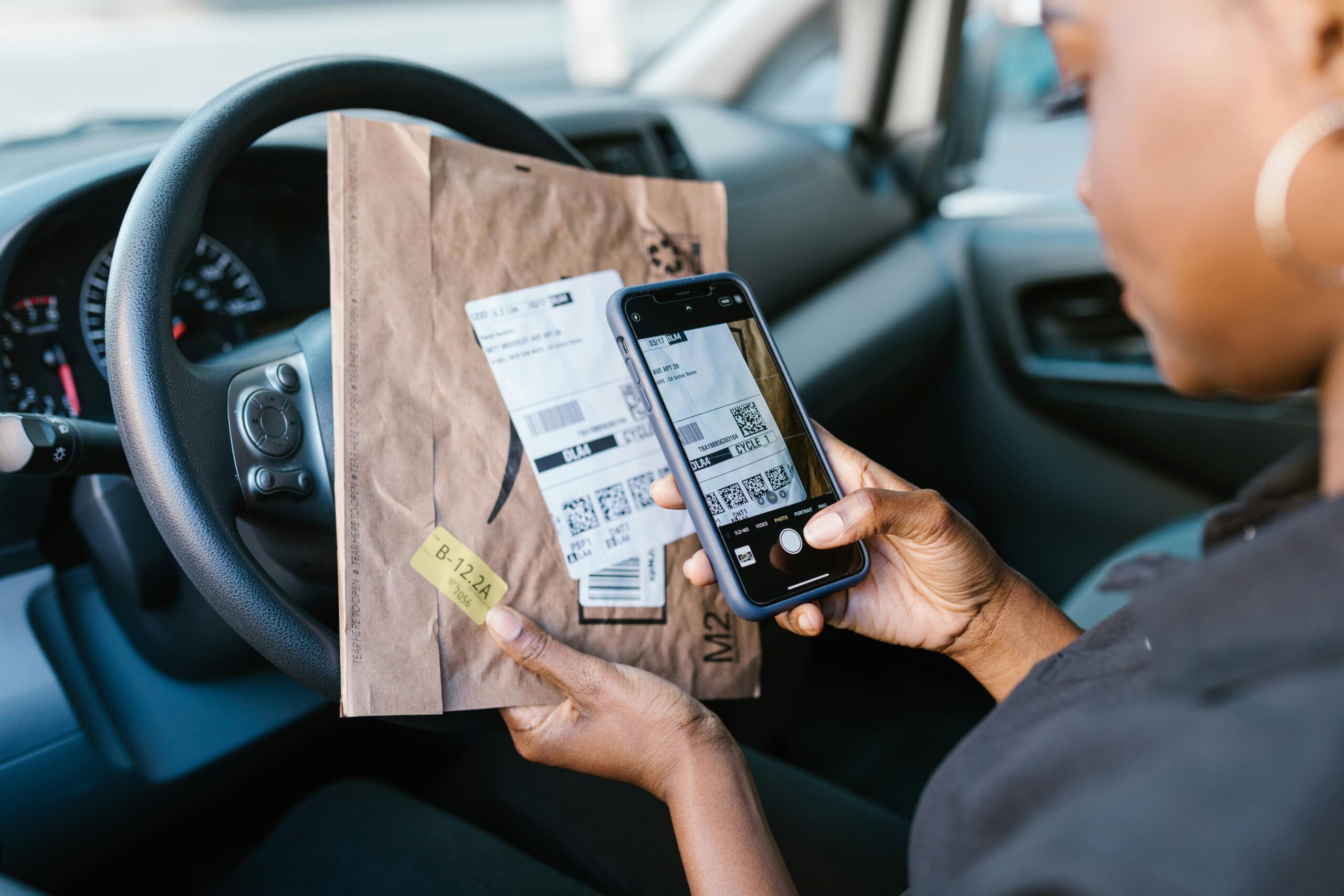
Claiming car expenses can significantly reduce your tax bill if you use your car for work purposes. However, the Australian Taxation Office (ATO) has strict rules about what you can claim and how you calculate it. In this guide, we explain the two main methods for calculating your work-related car expenses and how to determine which one suits your situation best.
Understanding Work-Related Car Expenses
Work-related car expenses refer to the costs incurred when using your own vehicle for work duties. This can include travelling between different work sites, attending meetings, transporting equipment, or visiting clients. Importantly, it does not cover the commute between your home and regular workplace, which is considered private travel.
Eligible vehicles for claiming expenses typically include cars, station wagons, and some other vehicles designed to carry less than one tonne or fewer than nine passengers. If you use a motorcycle or a vehicle designed to carry heavy loads, different rules may apply.
Methods for Calculating Car Expenses
In Australia, the ATO allows you to choose between two main methods for calculating your work-related car expenses:
- Cents per kilometre method
- Logbook method
Each method has specific requirements and advantages. Choosing the right one can maximise your deduction while ensuring compliance with tax regulations.
Cents Per Kilometre Method
The cents per kilometre method is the simpler of the two and is popular among taxpayers who drive a moderate amount for work.
How It Works
Under this method, you claim a set rate per kilometre travelled for work purposes. For the 2024-25 financial year, the rate is 85 cents per kilometre. You can claim up to a maximum of 5,000 business kilometres per car per year using this method.
You do not need to keep detailed records of every trip, but you must be able to demonstrate a reasonable basis for your estimate, such as using a diary, calendar entries, or work schedules.
You can easily estimate your deduction using the Work-related car expenses calculator.
Example
Suppose you travelled approximately 3,200 kilometres for work during the year. Your deduction would be:
3,200km×0.85=$2,7203,200 km \times 0.85 = \$2,720
This amount can then be claimed as a work-related deduction on your tax return.
Advantages
- Simple and quick
- No need for a logbook
- Good for those with limited work-related travel
Disadvantages
- Capped at 5,000 kilometres
- May not fully capture actual expenses if you drive extensively
Logbook Method
The logbook method requires more record-keeping but may lead to a higher deduction, especially if your work-related travel is substantial.
How It Works
You must maintain a logbook for a continuous 12-week period, recording every journey undertaken for both work and private purposes. Learn more details about maintaining a logbook from the Logbook method guide.
The logbook must include:
- Date of the trip
- Start and finish times
- Starting and ending odometer readings
- Purpose of the journey
- Distance travelled
From this information, you calculate the percentage of travel that is work-related. You then apply this percentage to your actual car expenses for the year, including fuel, maintenance, registration, insurance, depreciation, and lease payments (if applicable).
The logbook remains valid for five years unless your circumstances change significantly.
Example
If your logbook shows that 60% of your travel is work-related, and your total car expenses for the year were $8,000, your deduction would be:
$8,000×0.60=$4,800\$8,000 \times 0.60 = \$4,800
You can find more on what expenses you can claim using the Expenses for a car you own or lease guide.
Advantages
- Potential for a larger deduction
- Reflects true work-related usage
Disadvantages
- More administrative effort
- Requires accurate and ongoing record-keeping
Choosing the Best Method
Choosing between the cents per kilometre and logbook methods depends on several factors:
- Volume of work travel: If you drive less than 5,000 kilometres for work each year, the cents per kilometre method is usually easier and sufficient.
- Actual costs: If your car running costs are high and work-related usage is substantial, the logbook method may deliver a bigger deduction.
- Record-keeping preference: Some prefer simplicity and less paperwork, making the cents per kilometre method more appealing.
It is important to review your circumstances annually, as changes to your job role, travel patterns, or vehicle expenses might affect which method is better for you. The ATO’s Calculation methods for claiming business motor vehicle expenses page provides a detailed comparison.
Common Mistakes to Avoid
Many taxpayers make errors when claiming car expenses, which can lead to audits, penalties, or denied deductions. Some common mistakes include:
- Claiming travel between home and work (unless you are travelling to an alternative workplace)
- Using an incorrect method without supporting evidence
- Inflating kilometres travelled without justification
- Failing to update logbooks when work circumstances change
Always ensure you have appropriate documentation to back up your claim. Review the myTax 2024 Work-related car expenses guide for filing correctly.
Special Considerations
Certain jobs and circumstances may allow different or additional claims, such as:
- Travelling between multiple workplaces
- Carrying bulky equipment that cannot be stored at the workplace
- Home-based employees travelling for work purposes
In these cases, clear evidence and supporting documents are essential.
Final Tips for Maximising Your Deduction
- Keep accurate records: Even if using the cents per kilometre method, maintain a diary or schedule.
- Understand what is claimable: Only trips directly related to work duties can be claimed.
- Use technology: Apps for tracking mileage can simplify record-keeping.
- Seek professional advice: A registered tax agent can help you determine the best method and ensure compliance.
Claiming work-related car expenses correctly can significantly reduce your taxable income, but it requires understanding the rules and choosing the right method. Whether you opt for simplicity or accuracy, being thorough and honest in your records is the key to success.

About The Author: Artur Osadchiy
Artur is a Certified Practising Accountant with over 30 years’ experience working as a trusted advisor to 600+ clients across Australia. Based in Melbourne, he started Tax Window with his wife Marina in 2009 and leads the firm’s tax and accounting team. In his free time, Artur enjoys watching the AFL (go Kangas!) and spending time with family.
Not sure where to start? Or already know what you need?
Book a meeting. Completely free, no preparation needed.
Talk through your situation with one of our senior accountants and get your questions answered. A quick, commitment free conversation, online or at our Bentleigh office.